Humanoid Robot Parts with Modular Design
Date:2026-10-07Article editor:Starting Point PrecisionViews:148The evolution of humanoid robots requires mechanical structures that support flexible movement, easy upgrades, and long-term operation. Unlike industrial robot arms designed for fixed manufacturing tasks, humanoid robots require human-like structures with complex joints, lightweight frames, sensor mounting systems, and precision transmission components. Modular design provides an effective solution by allowing individual robot sections to be assembled, replaced, and improved independently.
With modular architecture, engineers can optimize each part while maintaining compatibility across the entire humanoid robot system. Precision CNC machining plays an important role in producing accurate and reliable components for these applications. Advanced manufacturing solutions from Start Precision support the production of customized precision parts for complex mechanical systems.
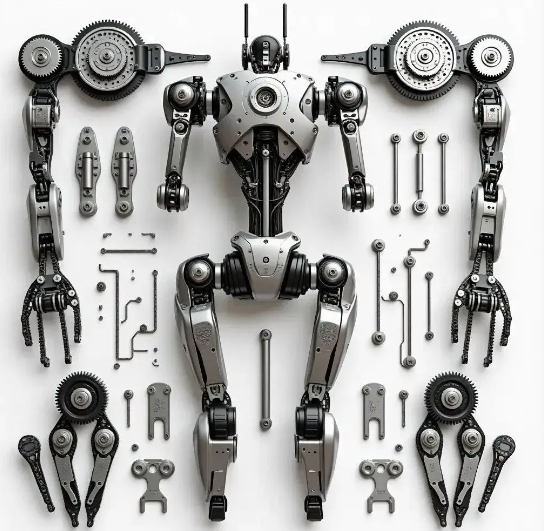
Modular design changes the way humanoid robot components are developed and maintained. Instead of replacing a complete structure, engineers can upgrade or repair individual modules.
● Faster assembly and disassembly for improved production efficiency
● Standardized interfaces for reliable connections between modules
● Easier maintenance through replaceable mechanical sections
● Flexible upgrades for future humanoid robot generations
● Reduced development costs through reusable component designs
| Feature | Manufacturing Advantage |
| Standardized connection interfaces | Improves assembly accuracy and interchangeability |
| Replaceable modules | Reduces maintenance time and simplifies upgrades |
| Lightweight structural design | Enhances robot mobility and energy efficiency |
| Precision-machined surfaces | Ensures stable operation and accurate positioning |
Producing modular humanoid robot parts requires precise engineering and strict manufacturing control. The process focuses on creating components that fit accurately, operate reliably, and support future modifications.
The manufacturing process starts with analyzing 3D CAD models and engineering drawings. Critical areas such as joint connections, mounting holes, bearing seats, and alignment surfaces are evaluated to ensure smooth assembly.
During design analysis, engineers focus on:
● Module connection methods and positioning accuracy
● Weight reduction while maintaining structural strength
● Manufacturing feasibility of complex geometries
● Tolerance requirements for moving mechanical parts
This approach helps create humanoid robot components that are easier to assemble and maintain.
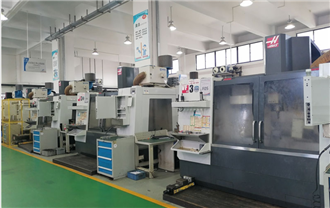
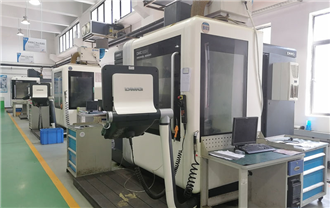
After design confirmation, CNC machining is used to manufacture key humanoid robot parts, including joint housings, transmission supports, sensor brackets, and structural frames.
The machining process may include:
● CNC milling for complex lightweight structures
● CNC turning for shafts and rotating components
● Multi-axis machining for precision curved surfaces
● Drilling and threading for standardized mounting points
Manufacturing capabilities and precision equipment information can be reviewed through the Start Precision machining services page.
For modular humanoid robots, connection accuracy directly affects assembly performance. Precision-machined interfaces allow different modules to be quickly installed or replaced without extensive adjustment.
The manufacturing process ensures:
● Accurate locating holes and mounting surfaces
● Consistent module compatibility
● Reliable mechanical connections
● Efficient maintenance and replacement
Standardized interfaces are especially important for humanoid robots because frequent testing and design improvements require flexible mechanical structures.
Before shipment, each component is inspected according to technical requirements. Quality control focuses on dimensional accuracy and assembly reliability.
Inspection items include:
● Dimensional measurement of critical features
● Surface flatness verification
● Thread and hole position inspection
● Assembly compatibility testing
These procedures help ensure that modular humanoid robot parts maintain stable performance during prototype testing and production.
Modular CNC machined components are widely used in humanoid robot development, including:
● Joint housings for arms, legs, and body movement systems
● Lightweight structural brackets
● Sensor mounting components
● Transmission support parts
● Protective mechanical covers
For additional background information about humanoid robotics development, engineers can refer to resources from NASA Robotics.
A humanoid robot developer needed a joint housing solution that could support rapid testing and future upgrades. The original design required replacing large assemblies when individual components failed or needed modification.
A modular CNC-machined solution was developed with:
● Independent replaceable housing sections
● Standardized mounting interfaces
● Precision-machined bearing locations
● Lightweight aluminum alloy construction
The improved structure reduced maintenance complexity and allowed engineers to update specific modules without redesigning the complete robot system.
As humanoid robots move toward commercial applications, modular design will become increasingly important. Manufacturers need components that support faster assembly, easier maintenance, and continuous improvements.
Precision CNC machining provides the accuracy required for producing customized humanoid robot parts with consistent quality. By combining modular engineering concepts with advanced manufacturing methods, robot developers can accelerate innovation and improve product reliability.
Contact us to discuss your manufacturing needs.
1. What are modular humanoid robot parts?
Modular humanoid robot parts are interchangeable components designed with standardized connections, allowing easier assembly, replacement, and upgrades.
Humanoid robots require frequent testing and improvements. Modular parts allow engineers to replace or upgrade specific sections without changing the entire robot structure.
Common materials include aluminum alloys for lightweight structures, stainless steel for durability, and titanium alloys for high-strength applications.
Yes. CNC machining can manufacture complex customized components with tight tolerances for different humanoid robot designs.

Add: Building 3No.277 Zhen'an Middle Road, Chang'an Town,Dongguan,Guangdong, China
Tel:+86-769-82855591
Copyright © 2019 All Rights Reserved Dongguan Start Precision Technology Co., Ltd. Tel: +86-769-82855591
Add: No. 277 Zhen'an Middle Road, Chang'an Town, Dongguan, Guangdong, China



 中文版
 English