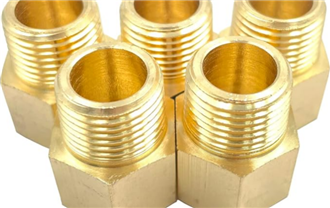
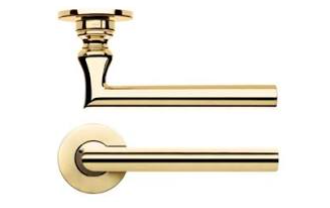
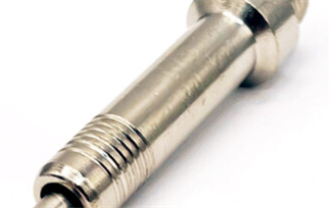
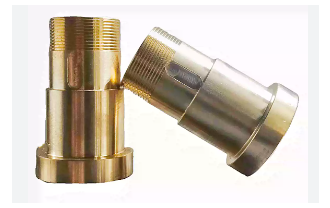
Brass remains one of the most machinable, corrosion-resistant, and aesthetically pleasing engineering materials. But when your project demandssub‑±0.005 mm tolerances, freeform surfaces, or thin-walled features, standard turning centers fall short. That’s
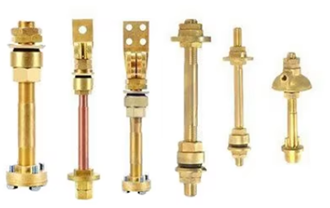
In the competitive world of contract manufacturing,brass machiningremains a cornerstone process for industries ranging from automotive fluid power to electronic connectors. However, not all machining shops are created equal. The true differentiator lies i
Copper’s exceptional electrical conductivity, thermal transfer, and corrosion resistance make it indispensable for aerospace, EV battery connectors, RF components, and heat exchangers. Yet its gummy nature and work-hardening tendency demand a specialized
Copper presents a unique paradox in manufacturing. Its excellent electrical and thermal conductivity make it indispensable for modern industries, yet its gummy, ductile nature makes it notoriously difficult to machine. This is where a dedicatedPrecision C
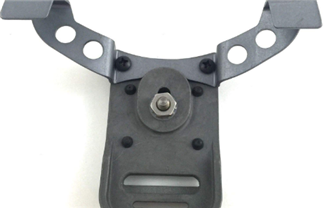
In heavy machinery, automotive drivetrains, and oil‑gas equipment, standard off‑the‑shelf components often fall short. Engineers routinely requirecustom non‑standard carbon steel partsthat match exact dimensional, mechanical, and metallurgical specificati
In the heavy machinery, automotive, and construction sectors, material selection directly dictates operational longevity and bottom-line profitability. Among the various metallurgical options available,Carbon Steel Mechanical Partsremain the undisputed wo
In the global manufacturing landscape, carbon steel remains an essential material for components that demand strength, durability, and cost-efficiency. From construction equipment to automotive drivetrains, its versatility is unmatched. Yet, sourcingCusto
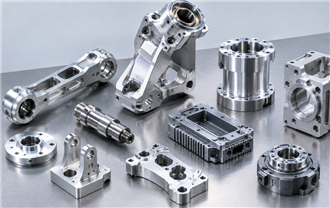
In the realm of precision manufacturing, the combination of advanced machine tools and complex alloy materials defines the frontier of possibility. When you need components that are both geometrically intricate and metallurgically demanding, the choice of
In modern manufacturing, an assembly line is a finely tuned orchestra. A single missed beat—a late part, a quality flaw, or a logistical hiccup—can halt the entire production symphony. The solution lies not just in the parts themselves, but in a supply ec
In precision manufacturing, cost efficiency depends on material choice, machining strategy, order quantity, and supplier partnership. Carbon steel grades like 1045, AISI 4140, and 1215 offer an excellent balance of machinability and mechanical strength, m
In precision manufacturing,seasonal demand fluctuationscreate significant production challenges. When order volumes surge unexpectedly, manufacturers often struggle to maintain quality standards while meeting aggressive delivery deadlines. ACNC Machining
Introduction: The Paradigm Shift from Grinding to Hard MillinIn conventional die and mold manufacturing, achieving amirror finish(Ra < 0.1µm) on hardened tool steel (HRC 52-58) traditionally required slow, labor-intensive grinding and polishing. Today,