CNC Machining Parts for High-Strength Industry
Date:2026-06-19Article editor:Starting Point PrecisionViews:366In modern manufacturing, CNC machining parts for steel alloy have become the backbone of high-strength industrial applications. From aerospace fasteners to heavy mac hinery gears, these components demand exceptional precision, durability, and resistance to extreme conditions. This article explores why steel alloy CNC machining is critical for industrial excellence and how to select the right processes for your project.
Steel alloys offer a unique combination of tensile strength, hardness, and wear resistance that surpasses many other metals. Common grades like 4140, 4340, and 17-4 PH stainless steel are widely used because they respond well to heat treatment and maintain dimensional stability under load. When paired with multi-axis CNC milling and turning, these materials produce components with tolerances as tight as ±0.005 mm.
Key benefits include:
● High load-bearing capacity – ideal for hydraulic pistons and shafts.
● Corrosion and temperature resistance – essential for oil & gas equipment.
● Fatigue life – critical for rotating parts in turbines and transmissions.
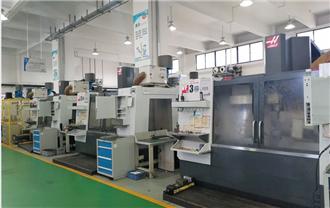
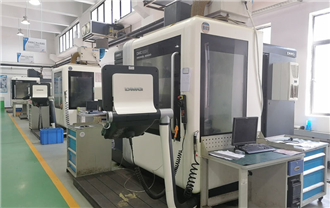
Successful CNC machining of high-strength steel requires careful control of cutting speed, feed rate, and tool selection. Carbide tools with TiAlN coatings are recommended to manage heat generation. Coolant systems must maintain consistent flow to prevent work hardening. For deep-hole drilling or complex contours, 5-axis CNC centers reduce setup time and improve surface finish.
Many industrial components undergo post-machining heat treatment (quenching and tempering) to achieve final hardness. This step must be factored into dimensional allowances to avoid warping. Pre-hardened steel alloys can also be machined directly, saving secondary operations.
● Aerospace: Landing gear fittings, engine mounts.
● Automotive: Transmission shafts, differential housings.
● Energy: Valve bodies for high-pressure pipelines.
● Construction: Excavator pins, crane rollers.
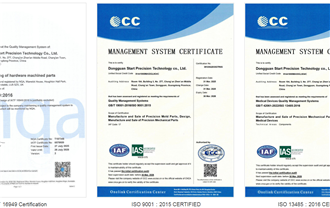
Each application demands rigorous quality assurance, including CMM inspection and non-destructive testing (ultrasonic or dye penetrant). For certified production, always partner with suppliers who follow ISO 9001 and AS9100 standards.
Refer to ASTM A29 for steel alloy grades.
When outsourcing steel alloy CNC parts, evaluate:
1. Machine capability – do they have 4/5-axis and live-tooling lathes?
2. Material sourcing – certified mill test reports (MTRs) ensure traceability.
3. Lead time and batch flexibility – for prototyping to mass production.
Post-machining processes like shot peening, black oxide coating, or electroless nickel plating enhance corrosion resistance and fatigue strength. Surface roughness (Ra) should be verified with profilometers. Advanced shops use in-process probing to adjust tool wear in real time, ensuring every part meets blueprint specifications.
CNC machining parts for steel alloy deliver unmatched performance in high-stress environments. By understanding material properties, machining parameters, and quality protocols, engineers can optimize component lifecycle and reduce downtime. Whether you need a single prototype or high-volume runs, prioritize suppliers with proven steel alloy expertise.
For custom quotes or technical consultation, explore our contact page.
Q1: What is the hardest steel alloy to CNC machine?
A: Tool steels like D2 or M42 are extremely hard (up to 60 HRC) and require ceramic or CBN tools, slow speeds, and rigid setups to prevent chatter.
Q2: Can CNC machining be done on pre-hardened steel?
A: Yes. Pre-hardened grades (e.g., 4140 pre-hard) are machinable with carbide tools, but you must reduce cutting parameters compared to annealed material.
Q3: How do I prevent warping in thin-wall steel alloy parts?
A: Use stress-relieved material, apply balanced roughing and finishing passes, and consider vacuum fixturing to minimize clamping distortion.
Q4: What tolerances are typical for CNC-machined steel alloy components?
A: Standard tolerances range from ±0.01 mm to ±0.05 mm, while high-precision aerospace parts can achieve ±0.002 mm with specialized equipment.
Q5: Which surface finish is best for wear resistance on steel alloys?
A: Hard chrome plating or nitriding provides excellent wear resistance. For a cost-effective option, consider black oxide with an oil sealant.
Add: Building 3No.277 Zhen'an Middle Road, Chang'an Town,Dongguan,Guangdong, China
Tel:+86-769-82855591
Copyright © 2019 All Rights Reserved Dongguan Start Precision Technology Co., Ltd. Tel: +86-769-82855591
Add: No. 277 Zhen'an Middle Road, Chang'an Town, Dongguan, Guangdong, China



 中文版
中文版 English