CNC Lathe Parts Manufacturer: Leveraging Six Sigma for Improving Quality & Reducing Defects
Date:2026-03-30Article editor:Starting Point PrecisionViews:606In precision machining, quality is not merely a goal—it is a requirement. For industries relying on high-volume production of cylindrical components, even a marginal increase in defects can lead to significant downtime, scrap costs, and reputational damage. This is why a forward-thinking CNC lathe parts manufacturer increasingly turns to Six Sigma methodologies. By focusing on data-driven process improvement, Six Sigma provides a structured path toward improving quality and reducing defects across every stage of production.
Understanding Six Sigma in CNC Machining
Six Sigma stands as a rigorous, data-centric methodology designed to root out flaws in processes and operations. In manufacturing, a “defect” is any output that falls outside customer specifications. The methodology aims for a process where 99.99966% of produced parts are free of defects—equivalent to only 3.4 defects per million opportunities.
For a CNC lathe parts manufacturer, implementing Six Sigma means moving beyond traditional quality control (inspecting parts after production) to quality assurance (controlling processes to prevent defects before they occur). This shift is critical in lathe operations, where variables such as tool wear, spindle speed, feed rate, and coolant flow all interact in complex ways.
The DMAIC Framework Applied to Lathe Operations
Six Sigma projects typically follow the DMAIC framework: Define, Measure, Analyze, Improve, and Control. Here is how it applies to CNC turning:
1. Define: The team identifies a specific quality issue—for instance, excessive dimensional variation on a high-volume shaft component. Clear customer requirements (critical-to-quality parameters) are established, such as diameter tolerance of ±0.005 mm.
2. Measure: Data is collected on the current process. This includes measuring finished parts, recording machine parameters, and calculating the baseline defect rate. Methodologies such as Gage R&R analyses play a pivotal role in verifying the dependability of measurement systems in their own right.
3. Analyze: Using statistical tools such as Pareto charts, cause-and-effect diagrams, and regression analysis, engineers pinpoint root causes. In lathe work, common root causes might include inconsistent raw material hardness, thermal expansion during long runs, or improper tool offsets.
4. Improve: Solutions are implemented and tested. This could involve implementing automatic tool wear compensation, standardizing coolant temperature, or introducing real-time in-process probing. Pilot runs validate that changes actually reduce defects without negatively impacting cycle time.
5. Control: To sustain gains, control plans are put in place. This includes updated standard operating procedures, statistical process control charts, and ongoing operator training. The goal is to ensure the improved process remains stable over time.
Tangible Benefits: Beyond Defect Reduction
When a CNC lathe parts manufacturer commits to Six Sigma, the benefits extend far beyond lower defect counts:
● Lower Total Cost: Reducing scrap and rework directly improves material utilization and labor efficiency.
● Shorter Lead Times: Stable processes experience fewer interruptions, enabling more reliable delivery schedules.
● Enhanced Customer Trust: Consistent quality strengthens long-term partnerships, especially in regulated industries like medical devices or aerospace.
For an overview of Six Sigma certification standards and methodologies, refer to the American Society for Quality (ASQ) resources.
Building a Culture of Continuous Improvement
Success with Six Sigma requires more than statistical tools—it demands a cultural commitment. At our facility, every operator is trained to recognize process variations and empowered to flag anomalies before they result in defects. Cross-functional teams, including machinists, programmers, and quality engineers, collaborate on improvement projects.
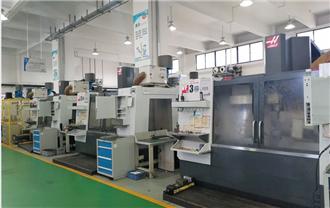
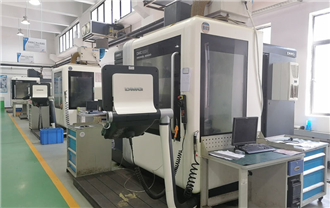
We also invest in modern CNC lathes equipped with real-time monitoring systems. These machines feed data directly into our quality management system, enabling predictive adjustments rather than reactive fixes.
Conclusion
In the competitive world of precision manufacturing, relying solely on end-of-line inspection is no longer sufficient. By applying Six Sigma principles, a dedicated CNC lathe parts manufacturer can achieve measurable gains in improving quality and reducing defects. The result is a win-win: customers receive reliable, high-precision components, while manufacturers benefit from lower operational costs and stronger market positioning.


Add: Building 3No.277 Zhen'an Middle Road, Chang'an Town,Dongguan,Guangdong, China
Tel:+86-769-82855591
Copyright © 2019 All Rights Reserved Dongguan Start Precision Technology Co., Ltd. Tel: +86-769-82855591
Add: No. 277 Zhen'an Middle Road, Chang'an Town, Dongguan, Guangdong, China



 中文版
中文版 English