Copper CNC Machining Service for Rapid Prototypes
Date:2026-10-23Article editor:Starting Point PrecisionViews:52A Copper CNC Machining Service for rapid prototypes must control heat, burrs, and dimensional drift while delivering parts fast enough for design validation. Copper’s high thermal conductivity and ductility make it attractive for electrical, thermal, and RF components, but they also make chip control and surface finish harder than many common alloys. The right process starts with a clear prototype brief: alloy, tolerances, finish, quantity, and critical features. Rather than treating copper like aluminum, a capable service adjusts tooling, coolant, inspection, and handling from the first operation.
Why Copper Changes the Machining Plan
Copper is not a single shop-floor behavior. Tellurium copper, beryllium copper, oxygen-free copper, and tough-pitch copper machine differently. The Copper Development Association provides useful material context, while the actual plan should follow the specified temper and application. Copper’s thermal conductivity can pull heat away from the cut, but it can also distort thin walls; ductility can produce smears and burrs instead of clean chips.
Rapid Prototype Workflow
Start Precision’s homepage introduces the broader prototype support; for copper parts, we keep the workflow explicit so the first part answers the design question.
| Stage | What we do | Output |
| 1. DFM review | Check alloy, wall thickness, tolerances, datums, and feature access | Feasibility notes before cutting |
| 2. Setup plan | Select fixturing, tool geometry, coolant strategy, and inspection method | Controlled first-article plan |
| 3. Machining | Use sharp tooling, stable chipload, and burr-aware toolpaths | Prototype parts with managed heat and finish |
| 4. Inspection | Verify critical dimensions and document results | Inspection report and clear accept/reject status |
| 5. Handoff | Deburr, clean, protect, and package for safe evaluation | Ready-to-test copper prototypes |
Project checklist before quoting: alloy and temper; 3D CAD and 2D critical dimensions; surface finish; quantity; timeline; and any electrical, thermal, or RF requirement. These details prevent “copper” from becoming an ambiguous material callout.
How We Control Copper Machining Risks
● Tooling: sharp edges and suitable coatings reduce smearing and work hardening.
● Coolant and chips: flood or targeted coolant helps manage heat and chip evacuation.
● Fixturing: low-stress clamping protects thin walls and soft surfaces.
● Burrs: toolpath sequencing and controlled finish passes reduce hand-deburr risk.
● Inspection: first-article checks catch drift before a small batch is finished.
● Handling: gloves, clean packaging, and protective separators prevent surface marks.
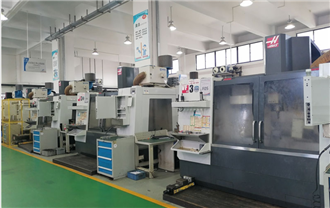
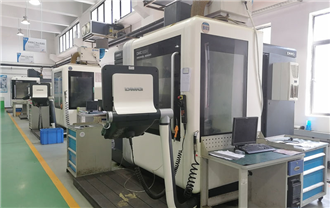
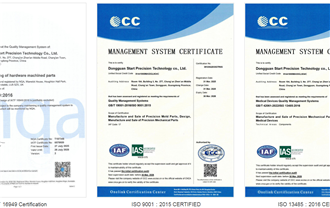
Where inspection requirements apply, align them with recognized standards such as ISO standards and the drawing’s stated acceptance criteria. For current machine models and work envelopes, check the Precision equipment list; specifications should be confirmed against the live list rather than assumed.
From Prototype to Validation
A good copper prototype is not just a machined shape. It is a controlled answer to a design question: Does the RF path perform? Does the thermal interface fit? Will the electrical contact survive assembly? We review the part as a functional sample, not only as a geometry. When the design is stable, the same process logic can support repeatable low-volume production.
From our factory floor, contact us to discuss your manufacturing needs.
FAQ
1. Can copper be CNC machined for rapid prototypes?
Yes. Copper alloys can be machined, but tooling, coolant, and burr control must be matched to the specific alloy and temper.
2. What information is needed for a copper prototype quote?
Provide alloy/temper, CAD files, critical dimensions, finish, quantity, and timeline. Note any thermal, electrical, or RF requirements.
3. How are burrs controlled on copper parts?
Through sharp tooling, suitable coolant, burr-aware toolpaths, controlled finish passes, and careful deburring.
4. Can you confirm machine models before quoting?
Use the live Precision equipment list on the precision page; current models and envelopes should be confirmed there.
Add: Building 3No.277 Zhen'an Middle Road, Chang'an Town,Dongguan,Guangdong, China
Tel:+86-769-82855591
Copyright © 2019 All Rights Reserved Dongguan Start Precision Technology Co., Ltd. Tel: +86-769-82855591
Add: No. 277 Zhen'an Middle Road, Chang'an Town, Dongguan, Guangdong, China



 中文版
 English