Copper CNC Machining Service with Material Selection
Date:2026-10-16Article editor:Starting Point PrecisionViews:1031. Why Material Selection Matters
A Copper CNC Machining Servicewith Material Selection should begin with the component's functional requirements rather than material price alone. Electrical conductivity, thermal performance, mechanical strength, corrosion resistance, dimensional accuracy, and machining cost all influence the final choice.
Copper and its alloys are widely used in electrical terminals, thermal components, precision connectors, valve parts, and custom mechanical assemblies. Selecting an appropriate grade helps manufacturers balance component performance with production efficiency.
2. Comparing Copper Materials for CNC Machining
Oxygen-free copper, beryllium copper, and brass offer different advantages. The best option depends on the component's working conditions and design specifications.
| Material | Main Advantages | Machining Considerations | Typical Applications |
| Oxygen-free copper (C10100/C10200) | High electrical conductivity; excellent thermal performance | Soft material may produce burrs and adhere to cutting tools | Conductive blocks, electrical contacts, thermal interfaces |
| Beryllium copper | High strength in suitable tempers; useful conductivity and wear resistance | Grade and heat-treatment condition affect machining; strict dust and fume controls are necessary | Spring contacts, precision conductive components |
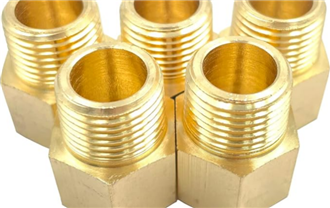
| Brass | Generally good machinability; suitable for detailed turned features | Properties vary by copper-zinc composition; confirm corrosion and conductivity requirements | Valve cores, threaded fittings, connector housings |
| Commercially pure copper | Good electrical and thermal conductivity | Tool selection and chip control are important for clean surfaces | Busbars, electrical components, heat-transfer parts |
Material properties vary by grade, temper, and manufacturing condition. Confirm the exact specification before production. For further reference, consult the Copper Development Association's copper alloy resources.
3. How We Select Materials and Machine Copper Parts
At Start Precision, material selection and process planning should work together. The objective is to identify potential manufacturing issues before they affect component quality, delivery, or cost.
Our typical manufacturing workflow:
1. Drawing review: Examine part geometry, dimensional tolerances, hole positions, thread specifications, and surface requirements.
2. Material assessment: Compare the specified copper grade with the application's electrical, thermal, mechanical, and environmental demands.
3. Raw material confirmation: Verify the material designation, stock dimensions, and required documentation before machining.
4. CNC programming: Plan toolpaths, cutting conditions, workholding, and the sequence of operations according to the component geometry.
5. Precision machining: Apply CNC turning, milling, drilling, boring, or threading as required.
6. Deburring and finishing: Remove unwanted edges and complete specified surface treatments when necessary.
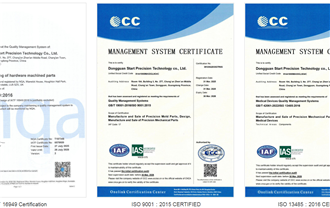
7. Quality inspection: Check critical dimensions, threads, surface condition, and other drawing-defined acceptance criteria.
This approach helps align material performance with manufacturing feasibility instead of treating material purchasing and machining as separate decisions.
4. CNC Equipment and Process Control
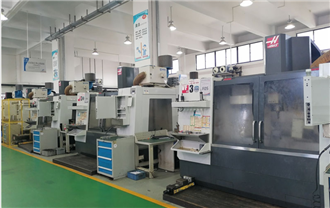
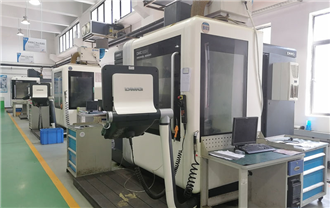
Different copper components require different machining strategies. CNC turning is suitable for rotational parts such as valve cores and connector bodies. CNC milling can produce mounting faces, pockets, slots, and complex profiles.
Review Start Precision's precision machining capabilities for manufacturing-related information.
Key process considerations include:
● Tool selection: Choose cutting tools appropriate for the copper grade to reduce burr formation and material adhesion.
● Cutting parameters: Adjust spindle speed, feed rate, and cutting depth according to the alloy, tool geometry, and part design.
● Workholding: Support thin or delicate sections to limit movement and deformation.
● Dimensional verification: Define suitable inspection methods for critical diameters, flatness, hole positions, and threads.
● Material traceability: Maintain material identification and certification records when required by the project.
Actual equipment models, achievable tolerances, and surface finishes should be confirmed against the specific component and production requirements.
5. Example: Selecting Material for a Precision Connector
Consider a custom connector requiring accurate contact surfaces, threaded mounting features, and reliable electrical performance.
The first step is to establish the required conductivity and mechanical loading. Oxygen-free copper may be suitable when conductivity is the primary priority. If the design requires spring behavior or higher strength, an appropriate beryllium copper grade may be evaluated. Brass may be suitable for the threaded housing when its electrical, mechanical, and environmental properties meet the specification.
Once the material is approved, the machining plan defines locating surfaces, turning or milling operations, thread production, deburring, and final inspection. The selected process is then checked against the drawing before production proceeds.
6. Custom Copper CNC Machining Services
Choosing a copper alloy involves balancing performance, machining behavior, inspection needs, and total manufacturing cost. A clear drawing and defined material specification help establish a practical production route.
Visit Start Precision to learn more about its precision manufacturing services and discuss your component requirements.
Contact us to discuss your manufacturing needs.
Frequently Asked Questions
1. How do I choose a suitable copper material for CNC machining?
Evaluate conductivity, thermal performance, mechanical loading, corrosion exposure, tolerances, and budget. Compare specific grades and tempers rather than relying on general material names.
2. Is oxygen-free copper suitable for precision CNC machining?
Yes. It can be machined into precision components, but its softness and tendency to form burrs or adhere to cutting edges require suitable tooling and process control.
Brass is often a practical option for threaded fittings, turned components, and housings when machinability and dimensional consistency are important. Its grade must still meet the application's performance requirements.
Yes, with appropriate manufacturing controls. Operations that generate beryllium-containing dust or fumes require effective exposure prevention, suitable extraction, and compliance with applicable occupational safety requirements.
Provide a 2D drawing or 3D model, specified material grade, order quantity, critical tolerances, surface-finish requirements, inspection documentation needs, and intended application.
Add: Building 3No.277 Zhen'an Middle Road, Chang'an Town,Dongguan,Guangdong, China
Tel:+86-769-82855591
Copyright © 2019 All Rights Reserved Dongguan Start Precision Technology Co., Ltd. Tel: +86-769-82855591
Add: No. 277 Zhen'an Middle Road, Chang'an Town, Dongguan, Guangdong, China



 中文版
 English