
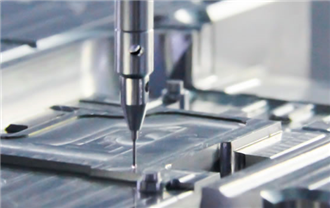
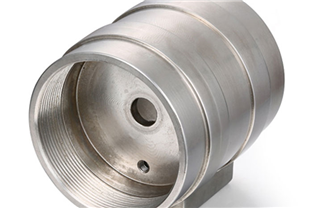
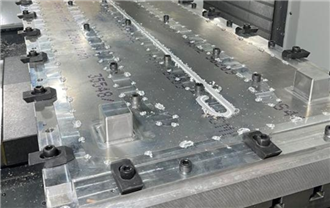
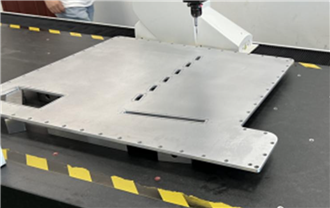
While many shops know thebenefitsof 5‑axis technology, fewer understand the exact workflow behind5‑axis integrated machining– where turning, milling, drilling, and contouring happen in one setup. This article focuses on the“how”: from programming to final
In precision manufacturing, CNC turning parts machining creates the geometry—but it is surface treatment that often decides whether a component succeeds or fails in real-world conditions. Many engineers focus exclusively on dimensional tolerances, overloo
Precision manufacturing demands two critical pillars: expert CNC turning parts machining and professional surface treatment. Alone, each adds value; together, they deliver components that outperform in durability, fit, and aesthetics. Whether you produce
In the world of modern manufacturing,CNC turning precision parts machiningstands as a cornerstone for producing cylindrical components with extreme accuracy. Whether you need a singleprototypeto validate your design ormass productionof thousands of identi
1. Introduction to CNC Turning for Automotive ShaftsCNC turning precision parts machining is the most reliable method for producing custom auto shaft mechanical parts with high repeatability and tight tolerances.Automotive shafts such as transmission inpu
IntroductionCNC turning with ±0.002mm precision is critical for aerospace components where safety and performance are paramount.In the aerospace industry, even microscopic deviations can lead to catastrophic failures. That’s why manufacturers demand ultra
Brass remains a top choice for manufacturingconnectorsandvalve bodiesdue to its excellent machinability, corrosion resistance, and electrical conductivity. High‑qualitybrass part machiningensures reliable performance in pneumatic, hydraulic, and fluid con
When engineers specify tight tolerances, they often rely on published machine tool specs. However, thereal repeatable accuracyof CNC precision machining in a production environment differs significantly from ideal laboratory numbers. This article reveals
In the world of CNC machining, most large-scale shops chase high-volume production runs—thousands or even millions of identical parts. This business model maximizes machine utilization and minimizes per-unit cost. However, it leaves a critical gap for eng
In product development, waiting weeks for prototype parts means lost market opportunities.Rapid low volume machiningsolves this by compressing the traditional production cycle from 15–20 days to just3 business days— from drawing approval to sample deliver
Selecting the rightCNC machining shopis critical for your project's success. The wrong partner leads to delays, high costs, and poor part quality. Before you decide, verify these key capabilities to ensure precision and reliability.1. Precision and To