Precision CNC Machining Parts: The Backbone of Modern Machinery
Date:2026-01-16Article editor:Starting Point PrecisionViews:640In the world of advanced manufacturing, precision CNC machining parts stand as the critical foundation for reliable and efficient machinery. These tight tolerance components enable everything from aerospace innovations to medical breakthroughs, where even a micron’s deviation can determine success or failure.
The Critical Role of Tight Tolerances
Tight tolerance machining refers to the production of components with exceptionally small allowable deviations from specified dimensions. In industries like aerospace and medical device manufacturing, tolerances often reach ±0.0001 inches (2.54 microns) or less. This precision ensures proper fit, function, and longevity in mechanical assemblies where components must interact seamlessly under demanding conditions.
Applications Across Industries
Aerospace and Defense: Engine components, landing gear parts, and navigation system housings require uncompromising precision for safety and performance under extreme stress and temperature variations.
Medical Technology: Surgical instruments, implantable devices, and diagnostic equipment depend on biocompatible materials machined to microscopic tolerances to ensure patient safety and device effectiveness.
Automotive Engineering: From fuel injection systems to transmission components, precision parts improve efficiency, reduce emissions, and enhance vehicle reliability.
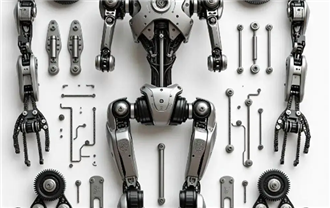
Robotics and Automation: High-precision gears, housings, and actuators enable the smooth, accurate movements essential for industrial robots and automated systems.
Advanced CNC Technologies Enabling Precision
Modern CNC machining achieves these remarkable tolerances through several key technologies:
Multi-Axis Machining: 5-axis and even 9-axis CNC machines can produce complex geometries in a single setup, reducing cumulative errors and improving accuracy.
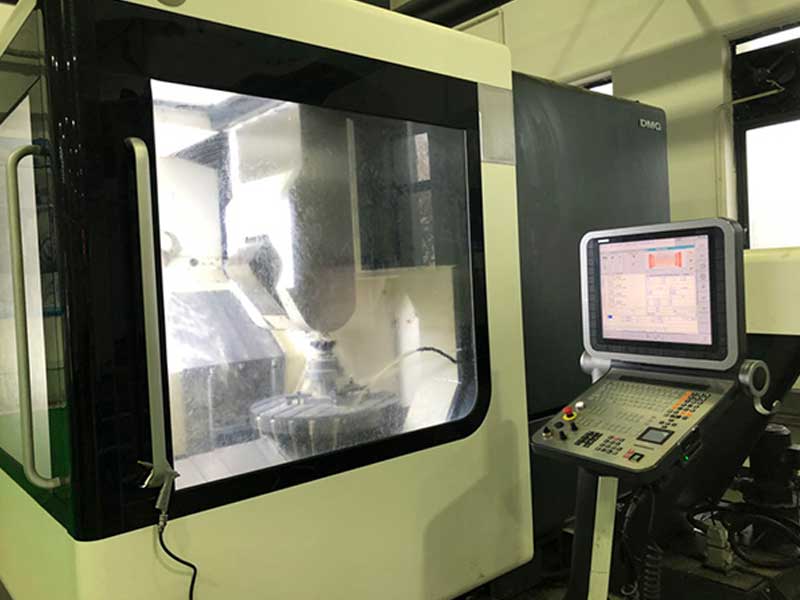
High-Speed Machining: Advanced spindle technologies allow for faster cutting speeds with reduced vibration and heat generation, minimizing material distortion.
In-Process Measurement: Integrated probing systems and laser scanners provide real-time feedback, allowing for immediate adjustments during the machining process.
Temperature-Controlled Environments: Precision machining often occurs in climate-controlled facilities where temperature and humidity are regulated to prevent thermal expansion of materials and equipment.
Material Considerations for Precision Components
The material selection significantly impacts achievable tolerances and component performance:
Aluminum Alloys: Offer excellent machinability and strength-to-weight ratios, commonly used in aerospace and automotive applications.
Stainless Steels: Provide corrosion resistance and durability for medical and marine environments.
Titanium: Delivers exceptional strength with biocompatibility, ideal for medical implants and aerospace components.
Engineering Plastics: Materials like PEEK and Ultem offer chemical resistance and electrical insulation for specialized applications.
Quality Assurance in Precision Machining
Rigorous quality control processes ensure components meet specified tolerances:
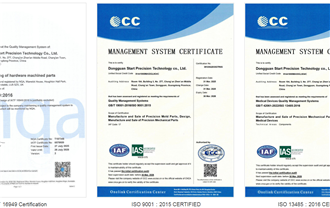
Coordinate Measuring Machines (CMM): Provide comprehensive 3D measurements of complex geometries with sub-micron accuracy. Explore our quality control processes.
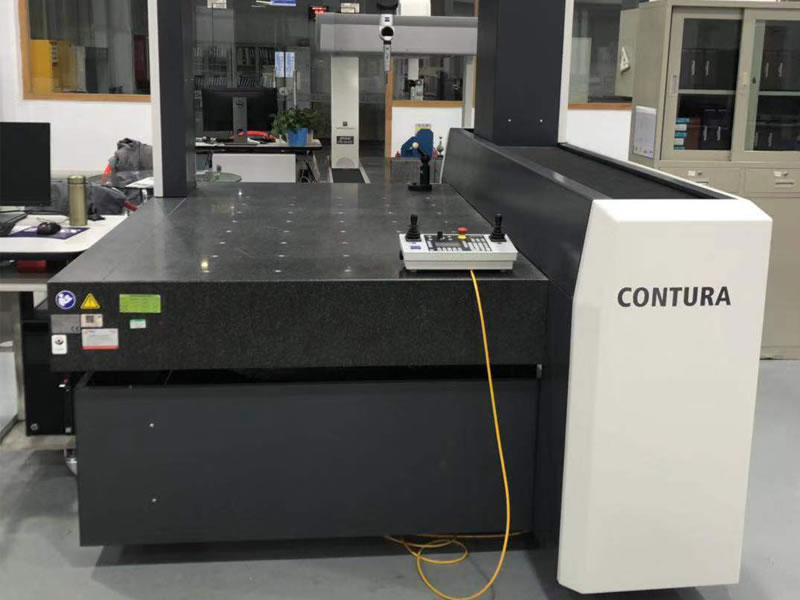
Optical Comparators: Project magnified part profiles against digital templates for rapid dimensional verification.
Surface Roughness Measurement: Quantify surface finish characteristics critical for sealing, friction, and fatigue resistance.
The Value Proposition of Precision Parts
While precision components often involve higher initial costs, they deliver significant value through:
Extended Product Lifecycles through reduced wear and proper fit
Improved System Efficiency with minimal energy losses from friction or misalignment
Reduced Maintenance Requirements and associated downtime
Provides uncompromising safety in applications where human lives depend on there being no room for failure.
Looking Ahead: The Future of Precision Machining
The future of precision machining is driven by technologies that relentlessly expand the limits of what can be achieved. Additive manufacturing (3D printing) now complements traditional subtractive methods for complex internal structures. Artificial intelligence and machine learning algorithms optimize cutting paths and predict tool wear before it affects tolerance. Nanotechnology applications may soon bring precision machining into entirely new dimensional realms.
Conclusion
Precision CNC machining parts represent the intersection of advanced technology, materials science, and meticulous engineering. As machinery continues to evolve toward greater complexity and capability, these tight tolerance components will remain indispensable—the unseen heroes ensuring that our most advanced systems perform reliably when it matters most. Manufacturers who master precision machining today position themselves at the forefront of tomorrow's technological innovations.
Add: Building 3No.277 Zhen'an Middle Road, Chang'an Town,Dongguan,Guangdong, China
Tel:+86-769-82855591
Copyright © 2019 All Rights Reserved Dongguan Start Precision Technology Co., Ltd. Tel: +86-769-82855591
Add: No. 277 Zhen'an Middle Road, Chang'an Town, Dongguan, Guangdong, China



 中文版
中文版 English